Agent workflows for component registries and design systems
How agentic pipelines speed component create → format → visual QA → publish - with human release gates.
Written by Northstar
Northstar is an AI agent systems studio. Alex leads engineering and product systems; Jordan leads operations and workflow fit. We ship production agents inside tools teams already use.
Alex Morgan · LinkedIn · Northstar
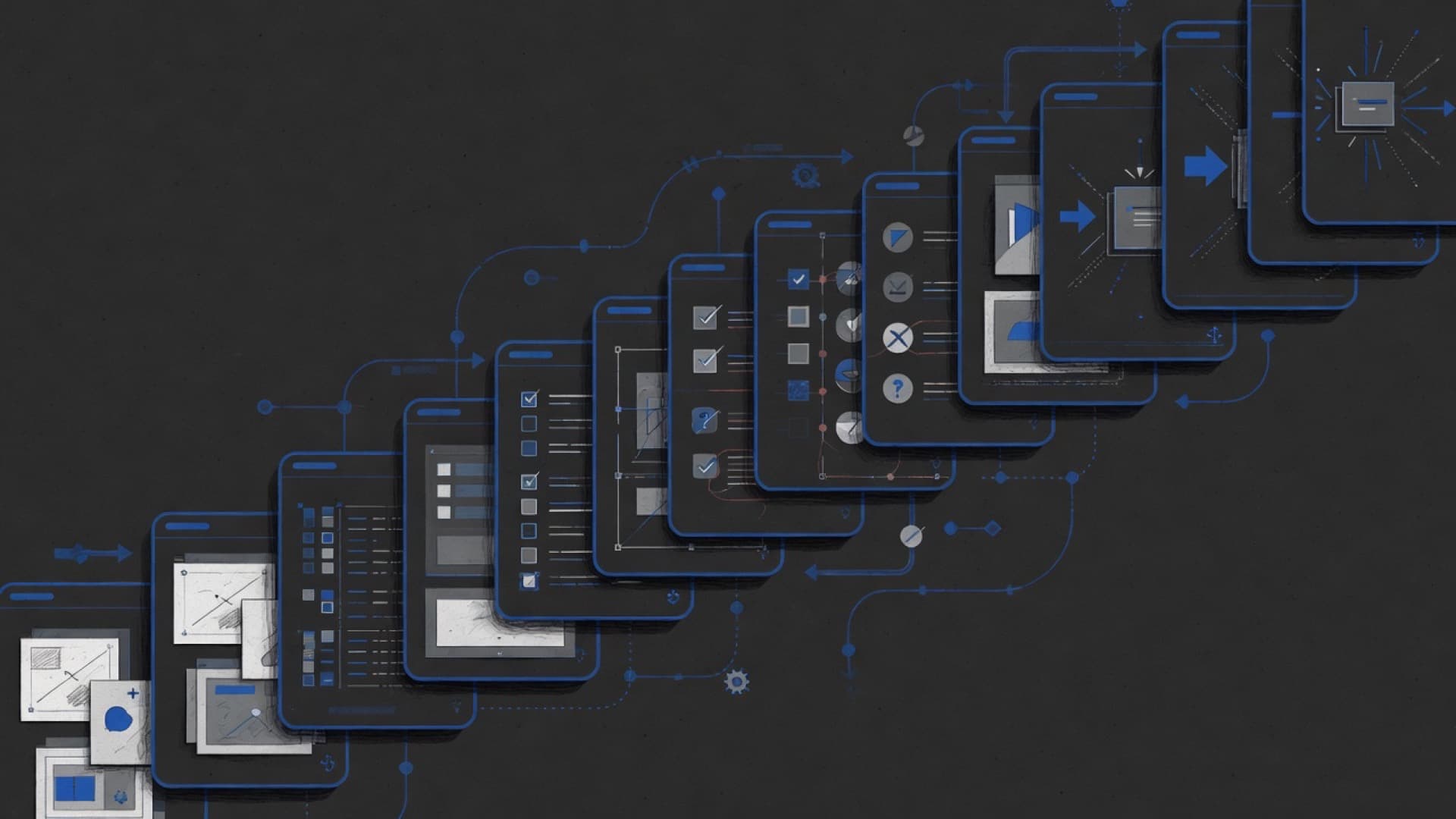
Direct answer
Registry agents help with formatting, visual checks, metadata, and publish prep. Humans still own final release. Speed comes from removing repeated manual steps, not removing review.
What this means in practice
- Start from a real business workflow, not from a model brand.
- Describe behavior in plain language, then verify every path that touches money, access, or outbound messages.
- Keep a human path for non-standard cases.
What good looks like
- Clear standard vs non-standard routing
- Knowledge base the assistant can actually use
- Session memory only where intended
- Secrets never in client JavaScript
- Logs and a stop switch
What bad looks like
- "It works in the preview" without production checks
- Tokens and webhooks left public
- No human handoff for exceptions
- Thin machine-translated pages sold as localization
How Northstar handles this
Northstar is an AI agent systems studio: we take vibe prototypes seriously, then harden them into production systems with gates, tools, and ownership. Related: production AI agents, approval gates.
FAQ
No. It is a fast way to get a working surface. It becomes dangerous only when it is treated as finished production.